
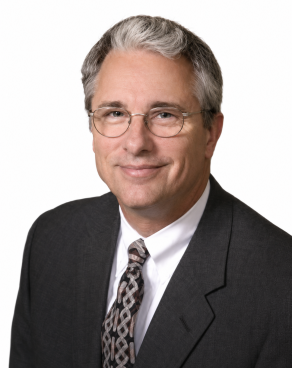
Michael Broussard
Shareholder
Born in Jacksonville, Florida, Michael Broussard has been a resident of Orange County, Florida, since 1957. He obtained his Bachelor of Arts Degree from the University of Central Florida in 1974 and his Juris Doctorate Degree from Mercer University in 1980. He received the American Jurisprudence Award in Tort Law and Contract Law and participated as a member of the National Trial Court Competition team.
Mr. Broussard was admitted to the Florida Bar in 1980 and to the United States District Court, Middle District of Florida, in 1992. He has maintained an active Central Florida law practice as a civil trial lawyer since his admission to the practice of law.
Mr. Broussard has substantial experience in all aspects of the defense of workers’ compensation claims. He has handled trials and appeals on workers’ compensation matters since 1986. He has litigated numerous cases involving liens arising from Chapter 440 as well as excess claims involving workers’ compensation matters. He has prepared briefs and presented oral argument before the First and Fifth District Courts of Appeal. His practice has also included the defense of general liability, bodily injury, professional liability, automobile liability and premises liability matters.
Bar Association or Section Affiliations
Mr. Broussard is a member of the Orange County Bar Association, American Bar Association, Florida Bar (Member, Worker’s Compensation and Trial Lawyer’s sections); Florida Defense Lawyer’s Association, Public Risk Management Association (PRIMA) and Delta Theta Phi. He served as a Moderator from 2011 – 2019 for the Breakout at the Workers’ Compensation Convention – First Responder Heart Claims: The Current State of Law and Medicine. He has also served as a Moderator for the Heart Lung Bill: A Legal, Medical, and Judicial Perspective for the 2014 and 2015 Public Risk Management Association State Conference. Additionally, Mr. Broussard presented in 2015 to the Florida Sheriffs Association’s Annual Executive Leadership Conference a session on Presumption Claims: Workers’ Compensation or Wellness Issue? and in 2016 a follow up session titled Presumption Claims: Heart & Lung Act- Part 2 “It’s the Right Thing to Do”. Mr. Broussard also serves on the Board of Directors of Audubon Society.
Articles Published
- Florida’s Heart/Lung Bill: What You Should Know – June 2014
- Fighting for Excess – and Winning! – June 2012
- Now is the Time for Excess – March 2009
- Judge of Compensation Claims Ruled That There is Not a Materially Higher Incidence of Hepatitis C Among Firefighters – September 2005
AV Rating
Michael Broussard has been rated AV Preeminent (4.5-5.0) by Martindale-Hubbell Peer Review Ratings. These ratings reflect a combination of achieving a very high general ethics standards rating and a legal ability numerical rating. A threshold number of responses is required to achieve a rating. The AV Preeminent (4.5-5.0) rating is a significant rating accomplishment – a testament that a lawyer’s peers rank him or her at the highest level of professional excellence.